NISEKO TIPS
TEMERATURE/ CLOTHES / KIT/ TIPS
- It is COLD off the plane. Have something in your hand luggage. Airport lobby and coach may be warm enough, but you will be shuttled to accommodation in mini vans – it is long enough to regret not having something warm.
- The consistent cold temperatures keep the snow conditions in good shape with limited melting before spring, and no ice. It means the temperature of the snow is also very cold.
- December to February Niseko average daytime mountain temperature - 8°C.
- Night skiing can get down to - 20°C.
- Average annual snow fall 14 metres.
- A neck-warmer or face-mask is a must in this amount of cold. They are available all over the village and on mountain. Avoid frost bite !
- Thermal underwear are a must bring/ must wear item.
- Warm/waterproof gloves.
- Goggles non-reflecting with yellow or light orange lenses for the day time and to night ski a pair of clear lens goggles, although yellow or orange lenses are fine as well (anti-fog and note manufacturer care recommendations). December through March the conditions are predominantly overcast. Goggles are also good eye protection when skiing through tree runs and to protect the eyes from spray (and in my case face plants). Sunglasses are not useful in Niseko ski conditions.
- Things freeze instantly at these temperatures – like wet hair after an Onsen or shower or perspiration and fog inside goggles. Try to avoid goggle fog in enclosed lifts – think cool your body down before leaping back out into the (freezing) cold.
- Board and skis – as always this is a personal issue and tough to make recommendations on. Some considerations include using a longer board than you are used to and setting the bindings back. Skiers should consider powder (fat) skis and powder straps especially if heading off piste.
- Wax - a wax suited to the low temperatures is the best choice. Cool your skis or board down before venturing to the lifts. Warm skis will melt the snow and it will freeze to your skis – you won’t be able to move.
- Use the drying rooms at your accommodation if available. Most Ski store rooms have some heating. In peak season – your gear won’t get to wet in powder conditions. Treat heaters in your room - especially those that are still kerosene with respect. Kerosene doesn’t heat a room as quickly as natural gas but they will generate plenty of slow heat. Don’t melt or combust your ski gear (or anything else) by putting it too close.
GENERAL CARE COURTESY COMMON SENCE
- Ice is tricky when it forms on footpaths. Often the sidewalks and roads are covered in snow, so appropriate footwear is a must. You can purchase spiked rubber attachments for your regular shoes for around 1000 Yen from many stores.
- Skiing/boarding down the road is both dangerous and against the rules in Hirafu. Aside from the danger of cars, there is often metal poles, rocks, etc… buried beneath the snow along the roads which will at best damage your equipment and at worst result in a trip to the hospital.
- Avalanches can and do occur in the Niseko area. On piste riding is safe, but if you are venturing out the gates into the lift accessed back country areas always follow the instructions of the ski patrol and always carry all of the necessary backcountry equipment. The area outside of the resort is not patrolled and is completely ski at your own risk. SKIING IN AREAS MARKED STRICTLY OFF LIMITS OR ON CLOSED PATHS WILL RESULT IN THE CONFISCATION OF YOUR SKI PASS.
- Snow falls and rolls, consider where you are standing or what you are standing under.
- SHOES-OFF - Consider local customs and take care to remove shoes where necessary and use inside slippers if provided. Inside slippers don’t go into toilets. Leave inside slippers outside the toilet door (also communicates to others that the toilet is taken). When using toilet slippers, remember to leave them in the toilet – don’t tramp around your accommodation in them. If you are unsure about where to remove shoes try to ask. A couple of tips, if you see tatami mat flooring that is a 100% definite no shoe zone. A step up for example at an entrance to accommodation, into a change room at an Onsen, or to a sit down on the floor table at a restaurant all mean shoes off.
ONSEN
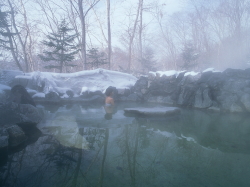 An Onsen is a Hot spring where you bathe. The hot comes from volcanic rock and the springs are natural water flows either from underground or river water squeezed through lava rocks. Niseko is cold, the skiing is fantastic – and relaxing in an Onsen with the sound of rushing water and steam all around is very calming, it’s a perfect potion to relieve the tiredness and aches of the day.
A simple Guide ‘How to Onsen’
Using an Onsen can be a daunting, challenging experience for non-Japanese. It is less daunting if you know a few pointers in advance.
This is a generic list of what to do, there are thousands of Onsens in Japan and the design, layout, facilities do vary.
- Pay your fare at reception, you will be given a small towel/ wash cloth and possibly key for a locker.
If there are no lockers at your onsen, valuables can usually be left with reception for safe keeping.
- Shoe/ no shoe zones. This is really a soil/ no soil zone.
At the entrance to the room leading into the onsen – remove your shoes! Don’t walk into the change area or other ‘clean’ areas with your shoes on. Also don’t remove shoes/ walk around outside the change room with bare feet or socks on. You would be soiling the clean area when you walk into the change area. Put your shoes into the rack provided.
In the change areas there will typically be lockers or baskets where you should fold and place clothes. Resist the temptation to dump your clothes in any old open space.
- Cleanliness first, modesty next (no swimsuits allowed).
You have to wash before you can go into the springs, Use the wash cloth provided to cover your private bits and go to the washing area. This is usually through another door and is typically a row of temperature controlled taps with soap, shampoo provided. Grab a plastic stool and basin from the stack, take a pew and start scrubbing – thoroughly, do use the towel to scrub your back. The tap – left and right adjusts the temperature, usually you depress the tap and this releases enough water to fill your basin. Once you are clean all over you are free to enjoy the hot springs. Don’t bring soap into the springs, make sure you rinse any residual soap out of your towel as well.
- Getting Dry and other tips.
From here on the rest is up to you, you now have the basics.
Many purists will wash twice, a second time after they have entered the hot springs once. The first wash removes the soil, the hot springs opens and loosens the pores, the second wash is a sort of exfoliation.
How do I get dry with this tiny cloth? Simple, surface tension, wring it out as often as necessary, rub briskly. There is often an area between change and wash areas which is warm, free of steam and ideal to get dry in.
Nobody will blink if you bring a bath towel and put it in your basket, but do towel off most of the moisture before returning to the dry area where your clothes are. Some onsen also provide a bath towel, or have them as an extra.
Shampoo, if you are particular you can take your own.
For more information on Japan, please visit on Japan Hoppers - Japan Travel Guide.
